Wendy Baumann · 18 September 2026
The Science of Heat Treatment Processes in Developing Ultra-Durable Structural Components
Heat treatment processes modify the microstructure of metals and alloys through controlled heating and cooling cycles that enhance mechanical properties such as strength, hardness, and resistance to fatigue, which proves essential for structural components in construction, aerospace, and heavy machinery sectors. These methods work by altering crystal lattice arrangements within materials like steel and titanium, allowing engineers to achieve specific performance characteristics without changing the overall chemical composition.
Core Mechanisms Behind Heat Treatment
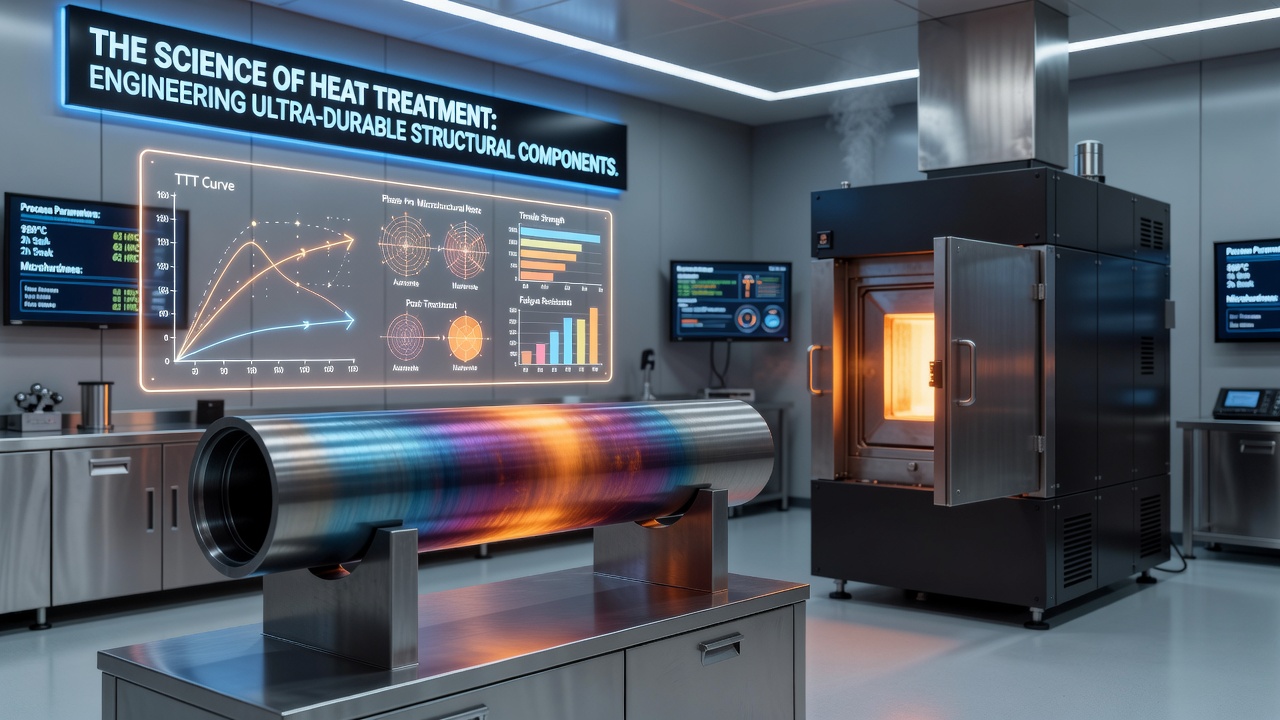
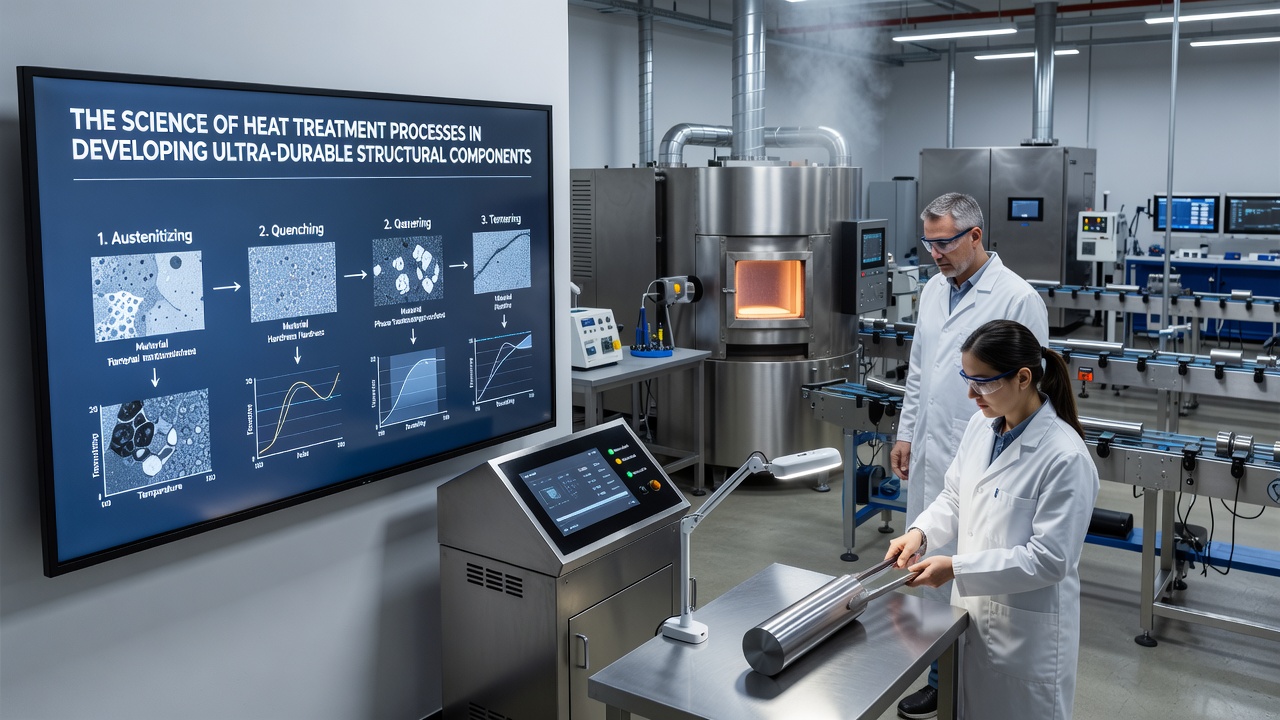
Experts in materials science explain that austenitizing raises ferrous alloys above their critical temperature to form a uniform austenite phase, while subsequent cooling rates determine whether the structure transforms into martensite, bainite, or pearlite. Quenching in water, oil, or polymer solutions accelerates cooling to lock in hard phases, yet this step often introduces internal stresses that require follow-up treatments to prevent cracking in large structural beams or pressure vessels. Researchers at institutions across North America and Europe have documented how precise temperature control during these stages directly correlates with improved yield strength in load-bearing elements.
Sequence of Standard Procedures
Annealing softens metals by heating them to recrystallization temperatures and allowing slow furnace cooling, which refines grain size and relieves prior cold-working effects in rolled plates used for bridges and towers. Normalizing follows a similar heating pattern but employs air cooling to produce finer pearlite structures that balance toughness with machinability, whereas tempering reheats quenched components to intermediate temperatures between 150 and 650 degrees Celsius to precipitate carbides and restore ductility without sacrificing too much hardness. Data from the National Institute of Standards and Technology shows these combined steps routinely increase fatigue life in high-stress applications by factors of two or more when parameters align with alloy specifications.
Case hardening techniques such as carburizing and nitriding diffuse carbon or nitrogen into surface layers at elevated temperatures, creating wear-resistant exteriors over tougher cores that suit gears, shafts, and fasteners in infrastructure projects. Induction heating and laser surface treatments offer localized control that minimizes distortion in precision components, while vacuum furnaces prevent oxidation during processing of reactive alloys like titanium for aircraft frames.
Integration with Modern Structural Design
Structural engineers apply these processes to develop components that withstand extreme loads and environmental exposure in wind turbines, seismic-resistant frames, and offshore platforms, where enhanced corrosion resistance and fracture toughness extend service intervals. Australian research groups have tracked how optimized tempering cycles in high-strength low-alloy steels improve impact resistance at subzero temperatures, supporting infrastructure in remote regions. Computer simulations now predict phase transformations during cooling, enabling virtual prototyping that reduces trial runs and material waste in production facilities.
By September 2026, updated international standards from bodies including the International Organization for Standardization are expected to incorporate new sensor-based monitoring protocols that track real-time hardness development during industrial heat treatment batches. These protocols build on existing metallurgical data and aim to standardize practices across supply chains serving global construction markets.
Emerging Variations and Monitoring Tools
Thermo-mechanical processing combines deformation with heat treatment to refine grain structures in pipeline steels and automotive chassis parts, delivering higher strength-to-weight ratios than conventional routes alone. In situ monitoring with thermocouples and infrared cameras allows operators to adjust cooling rates mid-cycle, while advanced diffraction techniques reveal residual stress distributions that influence long-term durability. Observers note that such tools have expanded the range of achievable properties in ultra-high-strength steels exceeding 2000 megapascals tensile strength, components now appearing in next-generation bridge cables and heavy-lift cranes.
Conclusion
Heat treatment science continues to underpin the creation of ultra-durable structural components by tailoring microstructures to match demanding operational environments across industries. Ongoing refinements in process control and alloy design maintain steady progress toward longer-lasting infrastructure and equipment that meet evolving performance requirements.